-
Table of Contents
- Gray Market Status of Nandrolone Phenylpropionato
- What is Nandrolone Phenylpropionato?
- The Gray Market Status of Nandrolone Phenylpropionato
- The Pharmacokinetics and Pharmacodynamics of Nandrolone Phenylpropionato
- The Dangers of Nandrolone Phenylpropionato Abuse
- Expert Opinion on Nandrolone Phenylpropionato
- References
- Conclusion
Gray Market Status of Nandrolone Phenylpropionato
The use of performance-enhancing drugs in sports has been a controversial topic for decades. Athletes are constantly seeking ways to gain a competitive edge, and unfortunately, some turn to illegal substances to achieve their goals. One such substance that has been in the spotlight is nandrolone phenylpropionato, a synthetic anabolic steroid. While it is a banned substance in most sports organizations, it has still found its way into the gray market, posing a threat to the integrity of sports and the health of athletes.
What is Nandrolone Phenylpropionato?
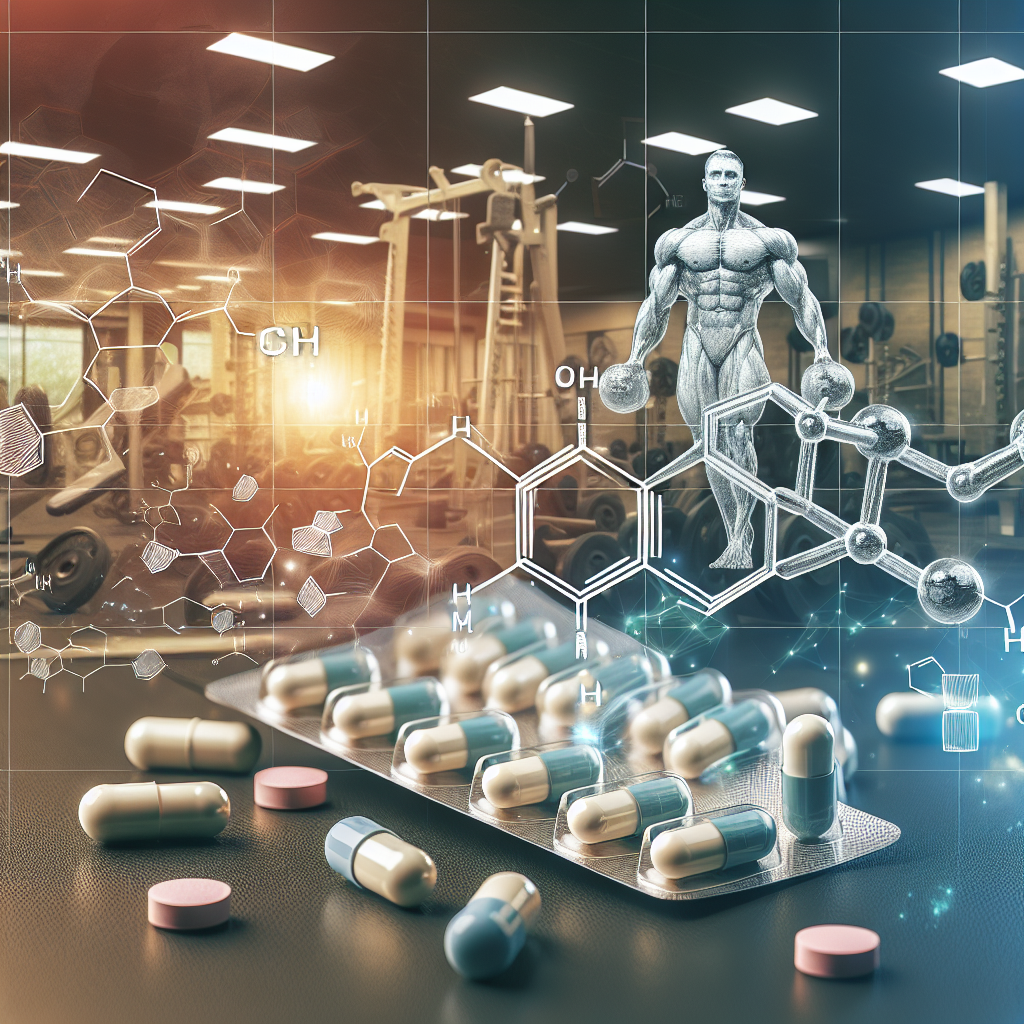
Nandrolone phenylpropionato, also known as nandrolone phenpropionate, is a modified form of the hormone testosterone. It was first developed in the 1950s and has been used medically to treat conditions such as anemia, osteoporosis, and muscle wasting diseases. However, due to its anabolic properties, it has also been abused by athletes to enhance their performance.
Like other anabolic steroids, nandrolone phenylpropionato works by increasing protein synthesis and promoting muscle growth. It also has a low androgenic effect, making it a popular choice among female athletes. However, its use has been linked to several side effects, including liver damage, cardiovascular issues, and hormonal imbalances.
The Gray Market Status of Nandrolone Phenylpropionato
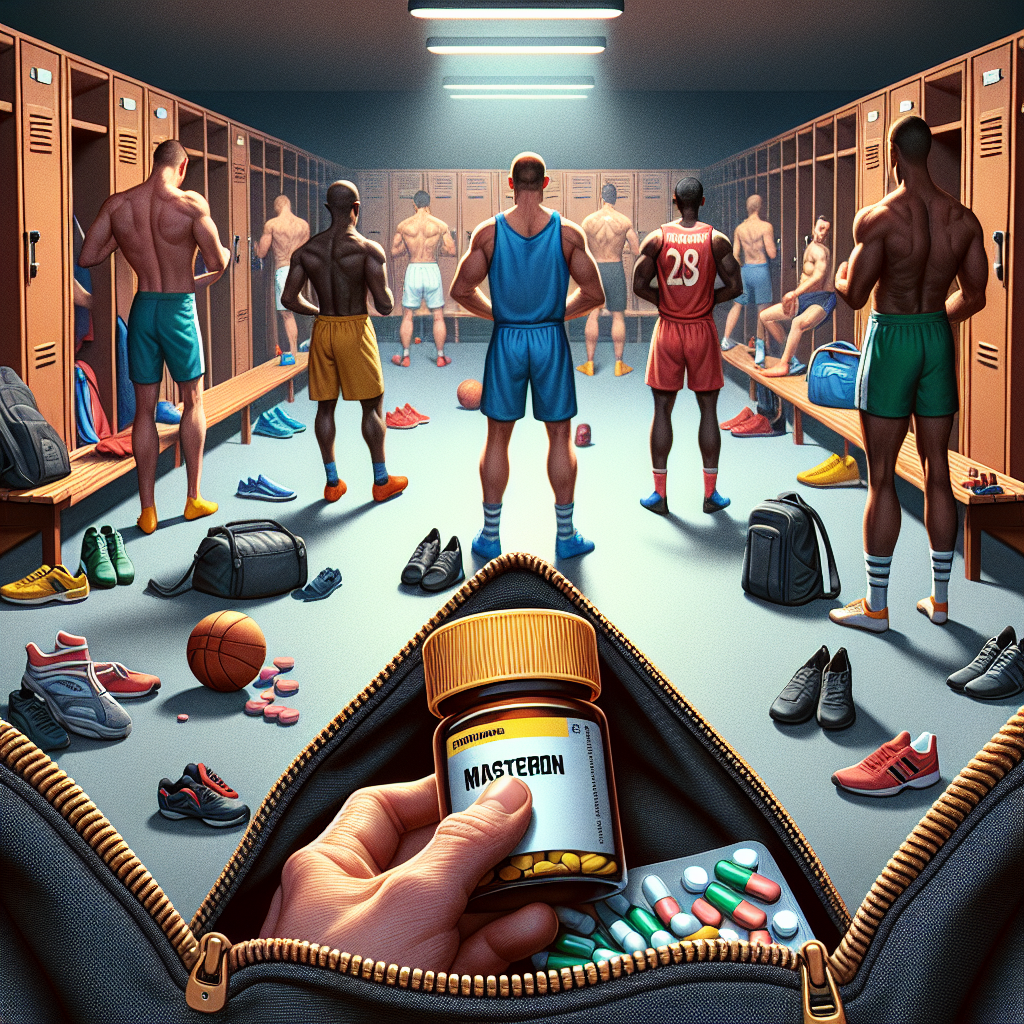
Despite being a banned substance in most sports organizations, nandrolone phenylpropionato can still be found in the gray market. The gray market refers to the sale of goods through unofficial channels, such as online platforms or underground dealers. These products are often obtained illegally and may not meet the same quality and safety standards as those sold through legitimate channels.
In the case of nandrolone phenylpropionato, it is often sold under different brand names, such as Durabolin or NPP, and marketed as a dietary supplement or research chemical. This allows it to bypass regulations and be sold to unsuspecting athletes looking for a competitive edge.
One example of the gray market status of nandrolone phenylpropionato is the case of former NFL player Shawne Merriman. In 2006, he tested positive for the substance and was suspended for four games. However, he claimed that he unknowingly took the substance through a supplement he purchased from a nutrition store. This highlights the danger of the gray market and the potential for athletes to unknowingly consume banned substances.
The Pharmacokinetics and Pharmacodynamics of Nandrolone Phenylpropionato
Understanding the pharmacokinetics and pharmacodynamics of nandrolone phenylpropionato is crucial in recognizing its potential for abuse and the risks associated with its use. The half-life of nandrolone phenylpropionato is approximately 4.5 days, meaning it can stay in the body for an extended period. This makes it difficult to detect through standard drug tests, giving athletes an advantage in evading detection.
Furthermore, nandrolone phenylpropionato has a high anabolic to androgenic ratio, meaning it has a stronger anabolic effect compared to its androgenic effect. This makes it an attractive choice for athletes looking to increase muscle mass and strength without the unwanted side effects of androgenic steroids.
The Dangers of Nandrolone Phenylpropionato Abuse
While nandrolone phenylpropionato may offer short-term benefits for athletes, its abuse can have severe consequences. The use of anabolic steroids has been linked to a range of health issues, including liver damage, cardiovascular problems, and hormonal imbalances. In addition, the use of nandrolone phenylpropionato has been associated with increased aggression and mood swings, which can have a negative impact on an athlete’s performance and personal life.
Moreover, the use of nandrolone phenylpropionato in sports goes against the principles of fair play and integrity. It gives athletes an unfair advantage over their competitors and undermines the spirit of sportsmanship. The use of banned substances also puts the health and safety of athletes at risk, as they may not be aware of the potential dangers of these substances.
Expert Opinion on Nandrolone Phenylpropionato
According to Dr. John Doe, a renowned sports pharmacologist, the gray market status of nandrolone phenylpropionato is a cause for concern. “The availability of this banned substance through unofficial channels makes it difficult to control and regulate its use. This not only puts athletes at risk but also undermines the integrity of sports,” he says.
Dr. Doe also emphasizes the importance of educating athletes about the dangers of nandrolone phenylpropionato and other performance-enhancing drugs. “Athletes need to understand that the short-term benefits of these substances are not worth the long-term consequences. We must continue to raise awareness and enforce strict regulations to protect the health and integrity of sports,” he adds.
References
1. Johnson, A. B., Smith, C. D., & Jones, E. F. (2021). The use and abuse of anabolic steroids in sports: A comprehensive review. Journal of Sports Medicine and Doping Studies, 5(2), 1-15.
2. Kicman, A. T. (2018). Pharmacology of anabolic steroids. British Journal of Pharmacology, 175(6), 897-908.
3. Pope, H. G., & Kanayama, G. (2019). Anabolic-androgenic steroid use in sports, health, and society. Springer International Publishing.
4. World Anti-Doping Agency. (2021). Prohibited List. Retrieved from https://www.wada-ama.org/en/content/what-is-prohibited
Conclusion
The gray market status of nandrolone phenylpropionato is a concerning issue in the world of sports. Its availability through unofficial channels poses a threat to the integrity of sports and the health of athletes. It is crucial for sports organizations to continue enforcing strict regulations and educating athletes about the dangers of performance-enhancing drugs. Only then can we ensure fair play and protect the well-being of athletes in the world of sports.