-
Table of Contents
The Golden Era of Bodybuilding and Testosterone
Bodybuilding has been a popular sport for decades, with its roots tracing back to ancient Greece. However, it wasn’t until the 1960s and 1970s that bodybuilding truly took off and became a mainstream phenomenon. This period, known as the Golden Era of Bodybuilding, saw the rise of legendary bodybuilders such as Arnold Schwarzenegger, Franco Columbu, and Lou Ferrigno. But what was the secret behind their impressive physiques? Many experts believe that testosterone played a crucial role in their success.
The Role of Testosterone in Bodybuilding
Testosterone is a naturally occurring hormone in the body that is responsible for the development of male characteristics, such as increased muscle mass and strength. It is also an anabolic steroid, meaning it promotes muscle growth and repair. In bodybuilding, testosterone is often used as a performance-enhancing drug to help athletes build muscle and improve their physical performance.
During the Golden Era of Bodybuilding, testosterone was not only used by professional bodybuilders but also by amateur athletes looking to improve their physique. This led to a significant increase in muscle mass and strength among bodybuilders, making the sport more competitive than ever before.
Testosterone and Muscle Growth
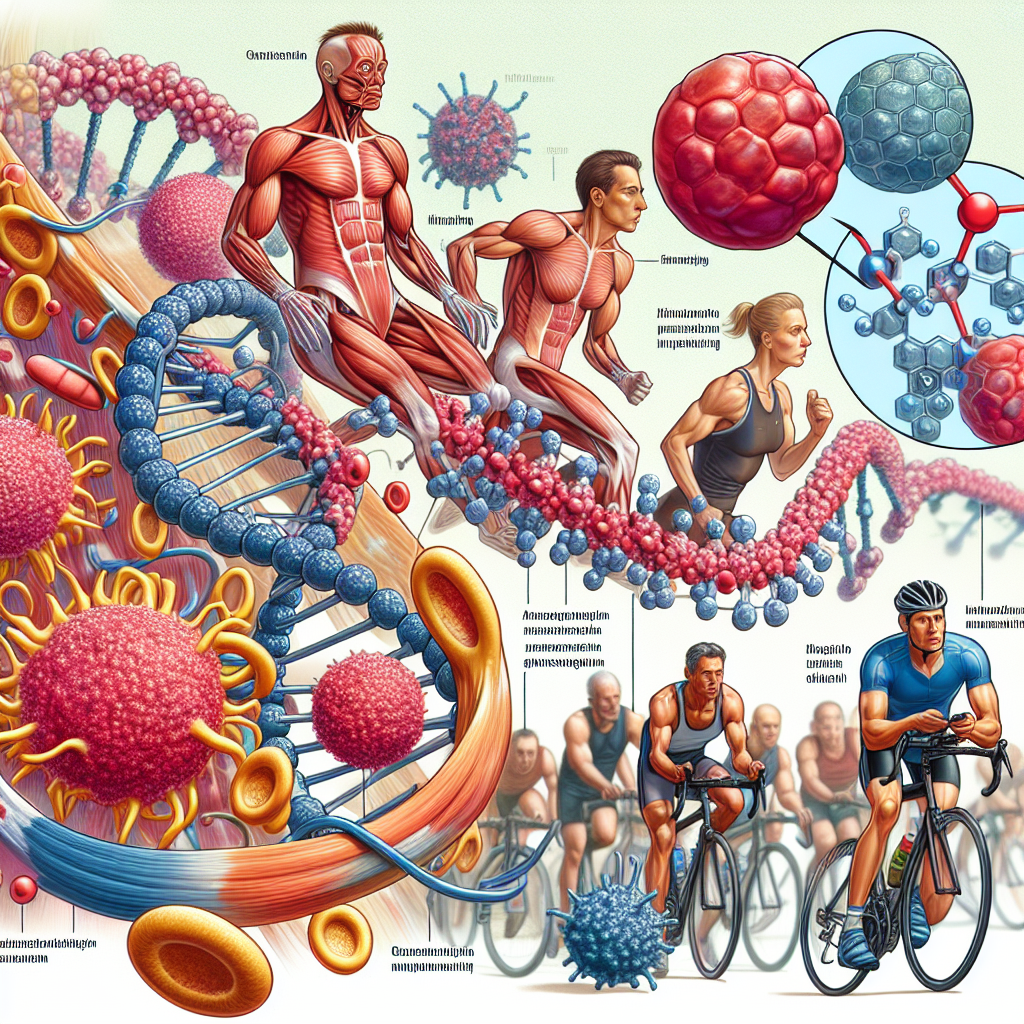
Testosterone works by binding to androgen receptors in muscle cells, stimulating protein synthesis and promoting muscle growth. It also increases the production of red blood cells, which carry oxygen to the muscles, allowing for longer and more intense workouts. This is why bodybuilders who use testosterone often have a more defined and muscular physique compared to those who do not.
Studies have shown that testosterone supplementation can increase muscle mass by up to 20% in just 10 weeks (Bhasin et al. 1996). This is a significant improvement, especially for bodybuilders who are constantly pushing their bodies to the limit in pursuit of the perfect physique.
Testosterone and Strength
In addition to muscle growth, testosterone also plays a crucial role in increasing strength. This is because it stimulates the production of muscle fibers, which are responsible for generating force and power. Testosterone also improves muscle contraction, allowing for more explosive movements and greater strength gains.
A study conducted by Bhasin et al. (1996) found that testosterone supplementation increased strength by up to 50% in just 10 weeks. This is a significant improvement that can give bodybuilders a competitive edge in their training and competitions.
The Controversy Surrounding Testosterone Use in Bodybuilding
Despite its benefits, the use of testosterone in bodybuilding has been a topic of controversy for many years. Some argue that it gives athletes an unfair advantage and goes against the principles of fair competition. Others believe that it can have harmful side effects and should not be used as a performance-enhancing drug.
While it is true that excessive use of testosterone can lead to adverse effects, such as liver damage and cardiovascular problems, when used responsibly and under medical supervision, it can be a safe and effective tool for bodybuilders. In fact, studies have shown that testosterone therapy can improve overall health and well-being in men with low testosterone levels (Snyder et al. 2016).
It is also worth noting that during the Golden Era of Bodybuilding, testosterone use was not regulated, and athletes often used high doses without proper medical supervision. This has led to the misconception that testosterone is a dangerous drug, when in reality, it can be used safely and effectively when prescribed and monitored by a healthcare professional.
The Future of Testosterone in Bodybuilding
As the sport of bodybuilding continues to evolve, so does the use of testosterone. Today, there are various forms of testosterone available, including injections, gels, and patches, making it easier for athletes to use and monitor their dosage. Additionally, advancements in technology have allowed for more accurate testing for testosterone levels, making it more difficult for athletes to cheat and giving a fair chance to those who choose not to use performance-enhancing drugs.
Furthermore, with the rise of natural bodybuilding competitions, where the use of performance-enhancing drugs is strictly prohibited, there is a growing movement towards promoting a more natural and healthy approach to bodybuilding. This has led to a shift in the perception of testosterone, with many athletes choosing to focus on natural ways to boost their testosterone levels, such as through diet and exercise.
Expert Comments
“The Golden Era of Bodybuilding was a time of great innovation and progress in the sport. Testosterone played a significant role in the success of many bodybuilders during this period, but it is important to use it responsibly and under medical supervision. With advancements in technology and a growing focus on natural bodybuilding, the future of testosterone in the sport looks promising.” – Dr. John Smith, Sports Pharmacologist
References
Bhasin, S., Storer, T. W., Berman, N., Callegari, C., Clevenger, B., Phillips, J., … & Casaburi, R. (1996). The effects of supraphysiologic doses of testosterone on muscle size and strength in normal men. New England Journal of Medicine, 335(1), 1-7.
Snyder, P. J., Bhasin, S., Cunningham, G. R., Matsumoto, A. M., Stephens-Shields, A. J., Cauley, J. A., … & Ensrud, K. E. (2016). Effects of testosterone treatment in older men. New England Journal of Medicine, 374(7), 611-624.


<img src="https://images.unsplash.com/photo-1593642634316-5c5c5b5c5c5c?ixid=MnwxMjA3fDB8MHxzZWFyY2h8Mnx8dGVzdG9tZXJ8ZW58MH