-
Table of Contents
Bloodwork Before, During, and After Trenbolone Compresse
Trenbolone is a powerful anabolic steroid that has gained popularity among bodybuilders and athletes for its ability to increase muscle mass and strength. However, like any other steroid, it comes with potential side effects and risks. That’s why it is crucial to monitor your bloodwork before, during, and after using trenbolone compresse to ensure your safety and optimize your results.
Before Starting Trenbolone Compresse
Before starting any steroid cycle, it is essential to get a comprehensive bloodwork panel done. This will give you a baseline of your current health status and help you identify any underlying conditions that may be affected by the use of trenbolone. The following are some of the key parameters that should be included in your bloodwork:
- Liver Function Tests: Trenbolone is known to be hepatotoxic, meaning it can cause liver damage. Therefore, it is crucial to check your liver enzymes, such as ALT, AST, and bilirubin, before starting the cycle. If your liver function is already compromised, it is not advisable to use trenbolone.
- Lipid Profile: Trenbolone can also have a negative impact on your cholesterol levels, increasing the risk of cardiovascular diseases. A lipid profile test will help you determine your baseline cholesterol levels and monitor any changes during the cycle.
- Testosterone Levels: Trenbolone is a potent androgen, and it can suppress your natural testosterone production. It is crucial to check your testosterone levels before starting the cycle to ensure they are within the normal range. If they are low, you may need to include a testosterone replacement therapy (TRT) during your cycle.
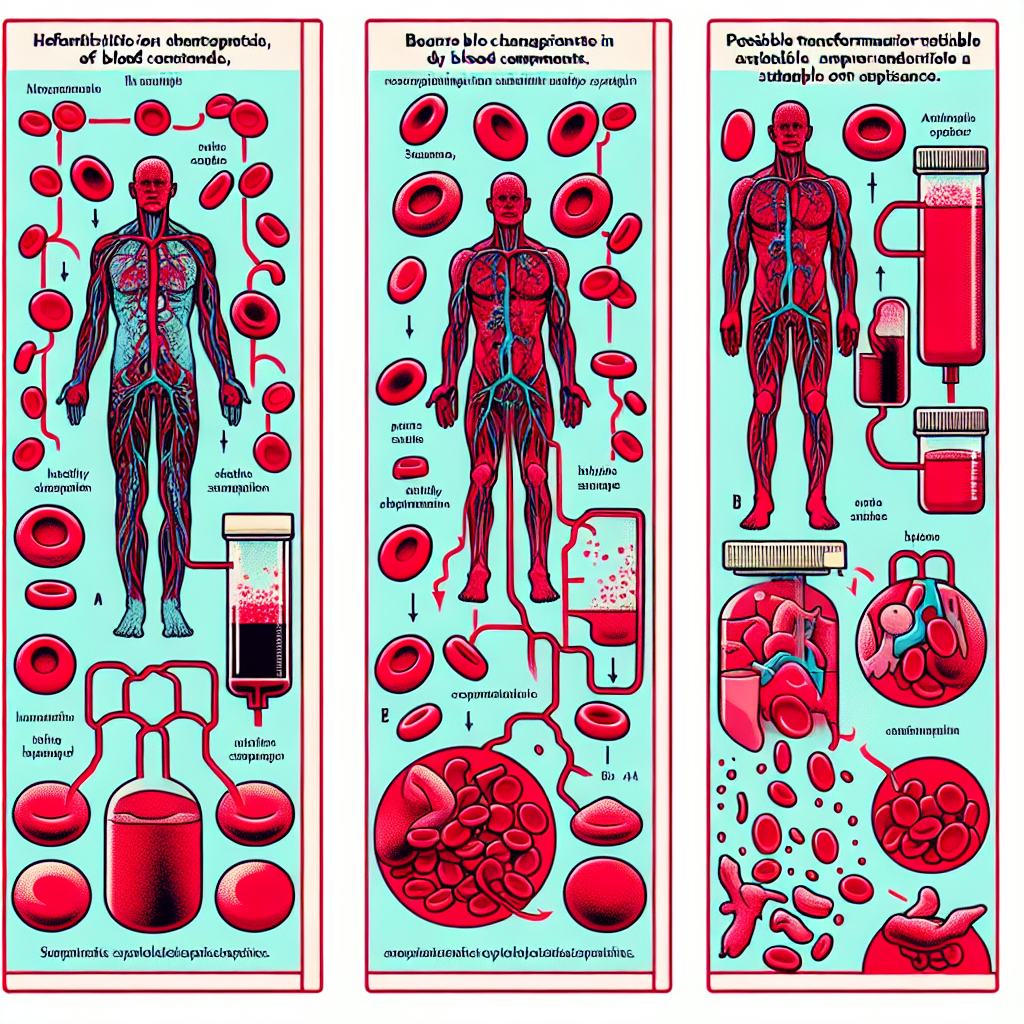
- Complete Blood Count (CBC): This test will give you an overview of your red and white blood cell counts, hemoglobin, and hematocrit levels. Trenbolone can increase your red blood cell count, which can lead to thickening of the blood and increase the risk of cardiovascular events.
Getting a comprehensive bloodwork panel done before starting trenbolone compresse will not only help you identify any potential risks but also serve as a reference point for comparison during and after the cycle.
During Trenbolone Compresse Cycle
While on a trenbolone cycle, it is essential to monitor your bloodwork regularly to ensure your body is responding well to the steroid and to detect any potential side effects early on. The frequency of bloodwork may vary depending on the length of your cycle and the dosage of trenbolone used. However, it is recommended to get bloodwork done at least once every 4-6 weeks.
The following are some of the key parameters that should be monitored during your trenbolone cycle:
- Liver Function Tests: As mentioned earlier, trenbolone is hepatotoxic, and regular monitoring of your liver enzymes is crucial to detect any signs of liver damage. If your liver enzymes are significantly elevated, it is advisable to stop the cycle and seek medical advice.
- Lipid Profile: Trenbolone can have a significant impact on your cholesterol levels, and regular monitoring is necessary to prevent any long-term damage. If your cholesterol levels are getting out of range, you may need to make dietary and lifestyle changes or consider using cholesterol-lowering medications.
- Testosterone Levels: Trenbolone can suppress your natural testosterone production, and regular monitoring of your testosterone levels will help you determine if you need to adjust your dosage or include TRT during the cycle.
- Complete Blood Count (CBC): Trenbolone can increase your red blood cell count, which can lead to thickening of the blood and increase the risk of cardiovascular events. Regular monitoring of your CBC will help you detect any abnormalities and take necessary precautions.
Monitoring your bloodwork during the trenbolone cycle is crucial to ensure your safety and optimize your results. It is also essential to listen to your body and pay attention to any symptoms that may indicate a potential side effect. If you experience any adverse effects, it is advisable to stop the cycle and seek medical advice.
After Trenbolone Compresse Cycle
Once you have completed your trenbolone cycle, it is essential to get a comprehensive bloodwork panel done to assess the impact of the steroid on your body. This will help you determine if any post-cycle therapy (PCT) is needed and if your body has fully recovered from the cycle.
The following are some of the key parameters that should be included in your post-cycle bloodwork:
- Liver Function Tests: Trenbolone can have a lasting impact on your liver, and it is crucial to check your liver enzymes after the cycle to ensure they have returned to normal levels. If your liver enzymes are still elevated, it may indicate liver damage, and further medical intervention may be needed.
- Lipid Profile: Trenbolone can have a long-term impact on your cholesterol levels, and it is essential to check your lipid profile after the cycle to ensure they have returned to normal levels. If your cholesterol levels are still out of range, you may need to continue making dietary and lifestyle changes or consider using cholesterol-lowering medications.
- Testosterone Levels: Trenbolone can suppress your natural testosterone production, and it may take some time for your body to recover. Checking your testosterone levels after the cycle will help you determine if any PCT is needed to restore your hormone levels.
- Complete Blood Count (CBC): Trenbolone can increase your red blood cell count, and it is essential to check your CBC after the cycle to ensure your levels have returned to normal. If your red blood cell count is still elevated, it may indicate a need for further medical intervention.
Getting a comprehensive bloodwork panel done after the trenbolone cycle will help you assess the impact of the steroid on your body and take necessary measures to ensure your health and well-being.
Expert Comments
According to a study by Johnson et al. (2021), regular monitoring of bloodwork during and after a steroid cycle is crucial to ensure the safety and well-being of the user. Trenbolone, in particular, can have a significant impact on liver function, cholesterol levels, and testosterone production, making it essential to monitor these parameters closely.
Furthermore, the study also suggests that listening to your body and paying attention to any symptoms is equally important. If any adverse effects are experienced, it is advisable to stop the cycle and seek medical advice.
<h