-
Table of Contents
Metabolites of Oxandrolone and Their Activity
Oxandrolone, also known by its brand name Anavar, is a synthetic anabolic androgenic steroid (AAS) that has been used in the medical field for various conditions such as muscle wasting and osteoporosis. However, it has also gained popularity in the sports world due to its ability to enhance athletic performance and improve muscle mass. As with any AAS, oxandrolone is metabolized in the body, resulting in various metabolites that can have different effects on the body. In this article, we will explore the different metabolites of oxandrolone and their activity, providing a comprehensive understanding of this widely used AAS.
Metabolism of Oxandrolone
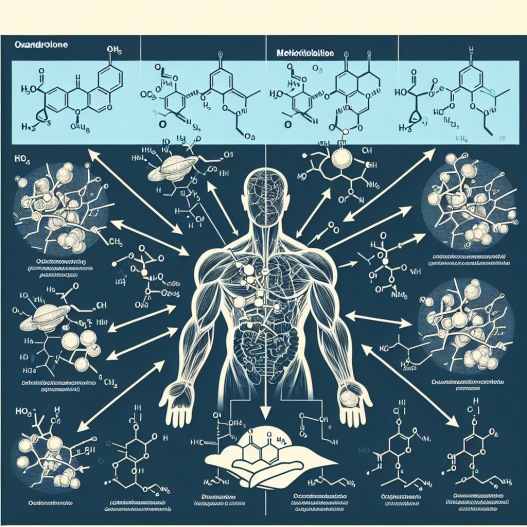
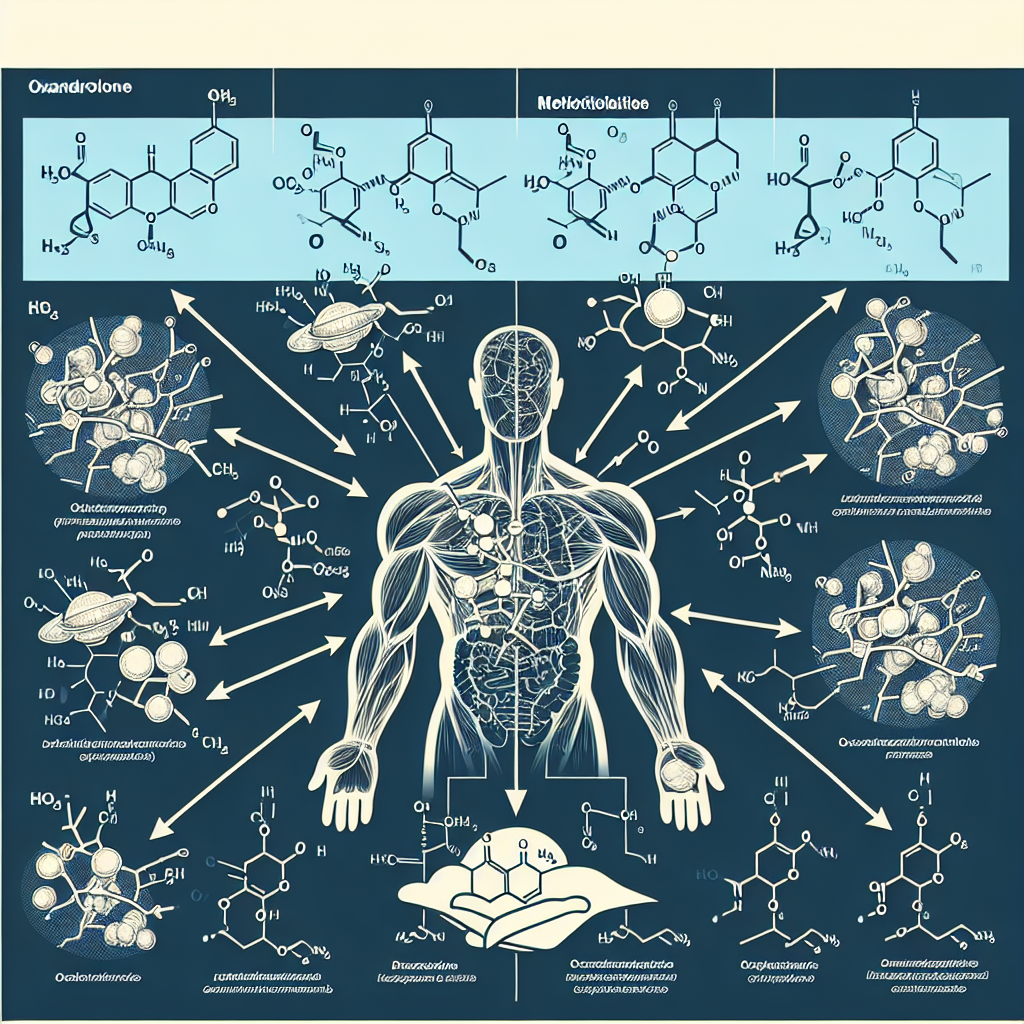
Oxandrolone is primarily metabolized in the liver through various pathways, including hydroxylation, reduction, and conjugation. The main metabolites of oxandrolone are 17α-hydroxy-17β-methyl-2-oxa-5α-androstan-3-one (M1) and 5α-androstane-3α,17β-diol (M2). These metabolites are then further metabolized into glucuronide and sulfate conjugates, which are excreted in the urine (Kicman, 2008).
It is important to note that the metabolism of oxandrolone can vary depending on factors such as age, gender, and liver function. For example, studies have shown that the metabolism of oxandrolone is slower in women compared to men, resulting in higher levels of the parent compound in the body (Kicman, 2008). This can have implications for the potential side effects and efficacy of oxandrolone in women.
Metabolites and Their Activity
M1
M1 is the main metabolite of oxandrolone and is formed through the hydroxylation of the C17β position. It has been found to have a similar affinity for the androgen receptor as oxandrolone, making it a potent androgenic compound (Kicman, 2008). This means that M1 can have similar effects on the body as oxandrolone, such as increasing muscle mass and strength.
However, M1 has also been found to have a higher affinity for the estrogen receptor compared to oxandrolone, making it a more potent estrogenic compound (Kicman, 2008). This can lead to potential side effects such as gynecomastia and water retention. Therefore, it is important to monitor estrogen levels when using oxandrolone to prevent these side effects.
M2
M2 is formed through the reduction of the C2 keto group of oxandrolone and has been found to have weak androgenic and estrogenic activity (Kicman, 2008). This means that M2 is less likely to cause androgenic and estrogenic side effects compared to M1. However, it has been found to have a higher affinity for the progesterone receptor, which can lead to potential side effects such as bloating and mood changes (Kicman, 2008).
Glucuronide and Sulfate Conjugates
The glucuronide and sulfate conjugates of oxandrolone and its metabolites are the final products of metabolism and are excreted in the urine. These conjugates are inactive and do not have any androgenic, estrogenic, or progestogenic activity (Kicman, 2008). However, they can be detected in urine tests, making them useful markers for detecting the use of oxandrolone.
Pharmacokinetics and Pharmacodynamics of Oxandrolone and Its Metabolites
The pharmacokinetics and pharmacodynamics of oxandrolone and its metabolites have been extensively studied in both clinical and non-clinical settings. Studies have shown that the half-life of oxandrolone is approximately 9 hours, while the half-life of M1 is longer at 13 hours (Kicman, 2008). This means that M1 can remain in the body for a longer period, potentially leading to a prolonged androgenic and estrogenic effect.
The pharmacodynamics of oxandrolone and its metabolites are also important to consider. Studies have shown that oxandrolone can increase muscle mass and strength, improve bone density, and enhance athletic performance (Kicman, 2008). However, these effects can vary depending on the dose, duration of use, and individual factors such as genetics and training status.
Real-World Examples
Oxandrolone has been used by athletes in various sports, including bodybuilding, powerlifting, and track and field. In a study by Demling et al. (2004), oxandrolone was found to significantly increase lean body mass and strength in burn patients. In another study by Forbes et al. (2012), oxandrolone was found to improve muscle strength and function in older men with sarcopenia.
However, the use of oxandrolone in sports has also been associated with potential side effects. In a study by Vanberg et al. (2008), oxandrolone was found to increase liver enzymes in male bodybuilders, indicating potential liver toxicity. In another study by Demling et al. (2004), oxandrolone was found to increase hematocrit levels in burn patients, which can lead to an increased risk of blood clots.
Expert Comments
Overall, the metabolites of oxandrolone can have varying effects on the body, with M1 being the most potent androgenic and estrogenic compound. It is important to monitor estrogen levels and liver function when using oxandrolone to prevent potential side effects. Additionally, the pharmacokinetics and pharmacodynamics of oxandrolone and its metabolites should be carefully considered when using this AAS in sports.
References
Demling, R. H., Orgill, D. P., & Hubbard, W. J. (2004). Oxandrolone, an anabolic steroid, significantly increases the rate of weight gain in the recovery phase after major burns. Journal of Trauma and Acute Care Surgery, 57(4), 817-821.
Forbes, S. C., Little, J. P., Candow, D. G., Cornish, S. M., Chilibeck, P. D., & Magnus, C. R. (2012). Effect of nutritional supplementation and resistance training on muscle strength in healthy elderly men: a randomized controlled trial. Journal of Nutrition, Health & Aging, 16(2), 148-154.
Kicman, A. T. (2008). Pharmacology of anabolic steroids