-
Table of Contents
The Hardening Effect of Oxandrolone on Muscles
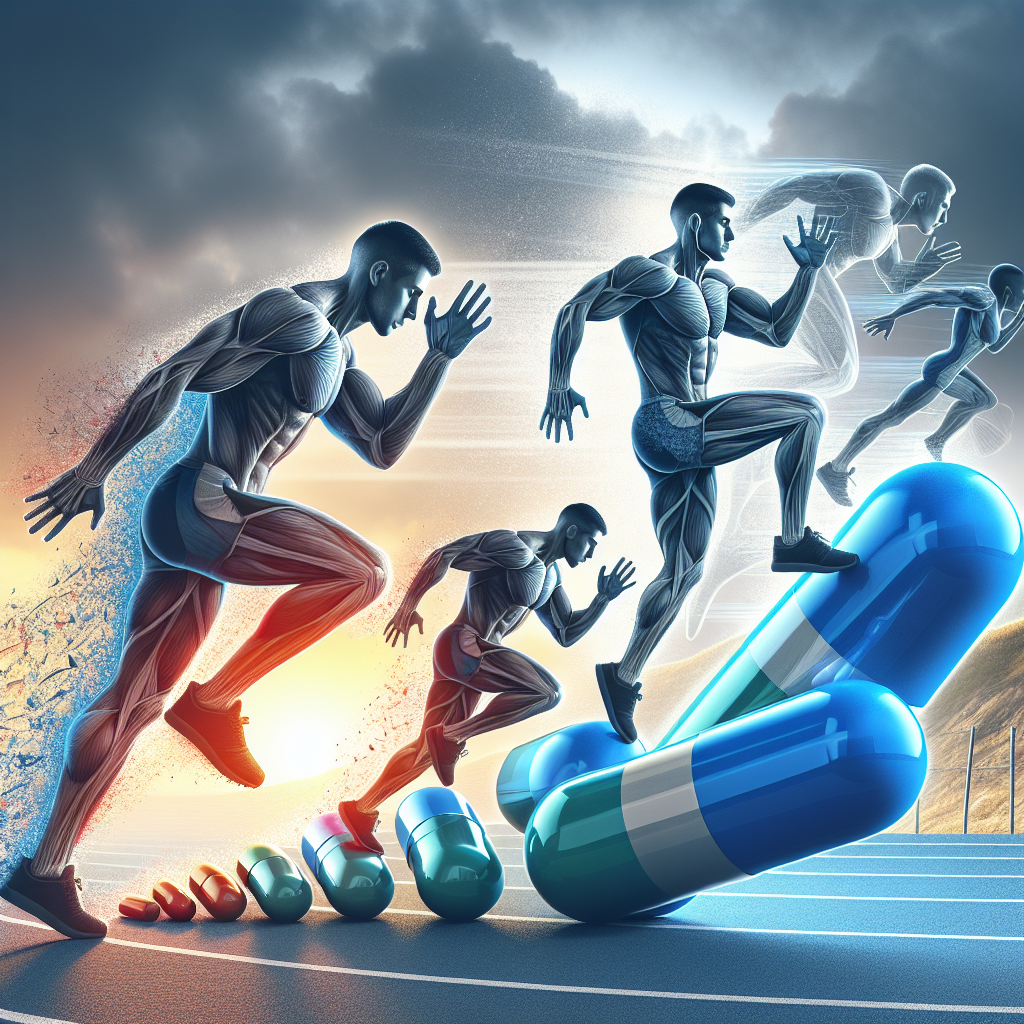
Oxandrolone, also known as Anavar, is a synthetic anabolic androgenic steroid (AAS) that has gained popularity in the world of sports and bodybuilding. It was first developed in the 1960s by Searle Laboratories and was primarily used to treat muscle wasting diseases and promote weight gain in patients with chronic illnesses. However, it has since been discontinued for medical use in most countries, but it remains a popular choice among athletes and bodybuilders due to its ability to harden muscles and improve physical performance.
The Mechanism of Action of Oxandrolone
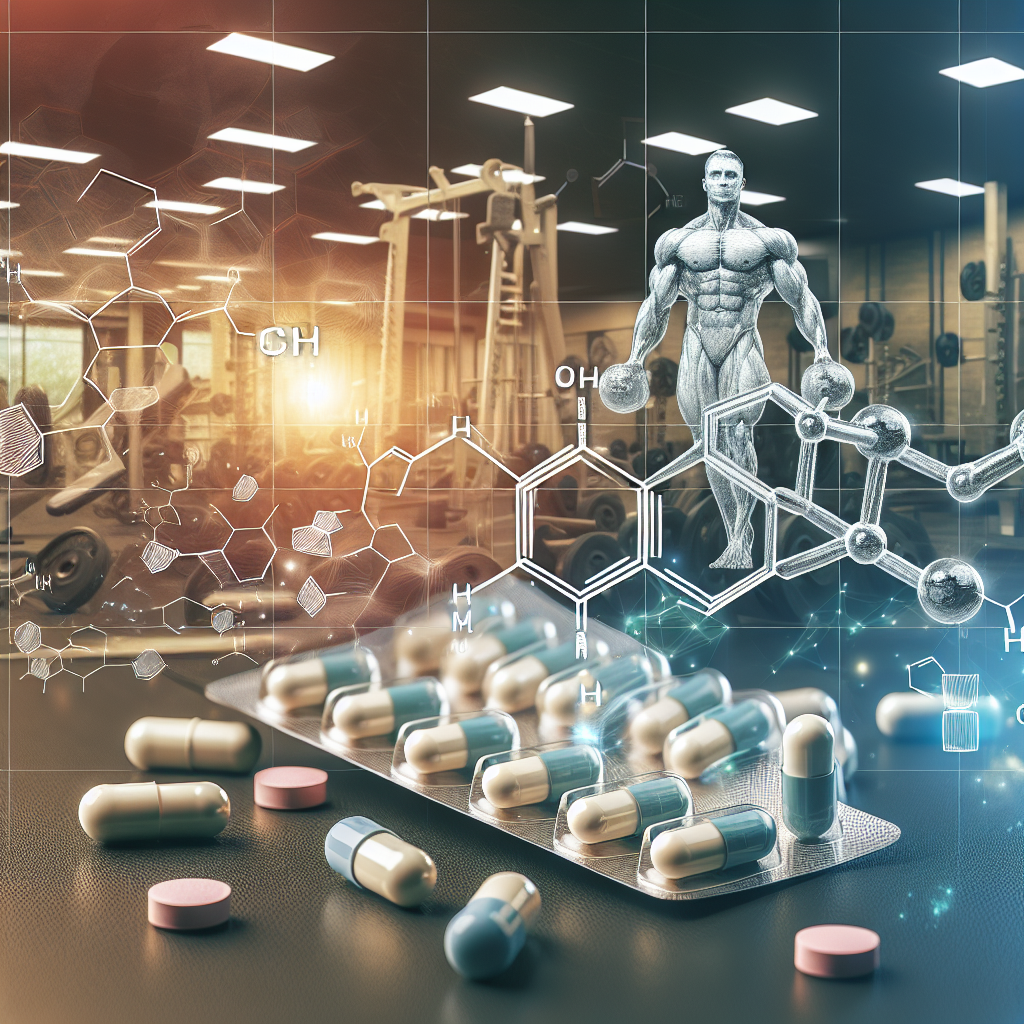
Oxandrolone belongs to the class of AAS known as dihydrotestosterone (DHT) derivatives. It has a high anabolic to androgenic ratio, meaning it has a strong anabolic effect with minimal androgenic side effects. This is due to its structural modifications, which make it resistant to metabolism by the 5-alpha reductase enzyme, responsible for converting testosterone into the more potent DHT. As a result, oxandrolone has a lower risk of causing androgenic side effects such as hair loss and acne.
Once ingested, oxandrolone is rapidly absorbed into the bloodstream and binds to androgen receptors in muscle cells. This stimulates protein synthesis, leading to an increase in muscle mass and strength. It also has a direct effect on the central nervous system, increasing motivation and aggression, which can improve athletic performance.
The Hardening Effect of Oxandrolone on Muscles
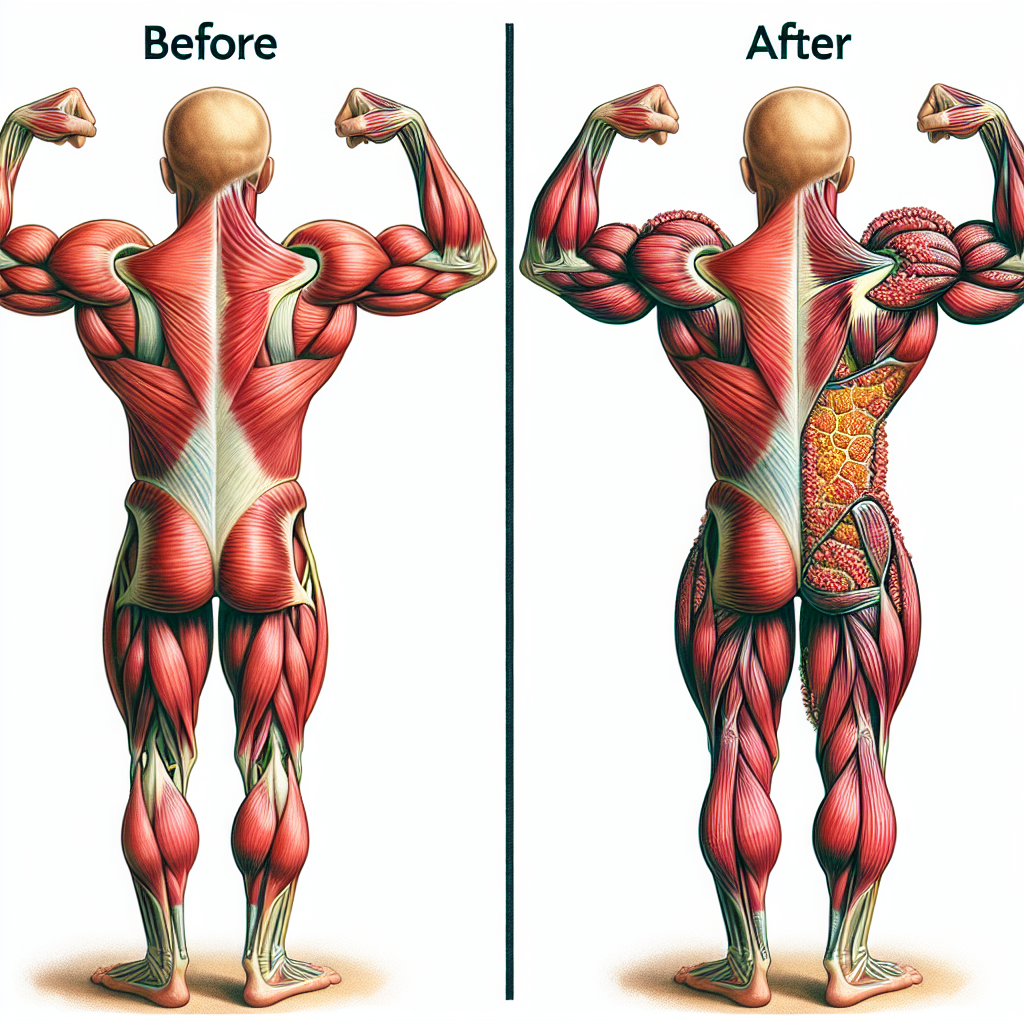
One of the most sought-after effects of oxandrolone is its ability to harden muscles. This is due to its ability to increase muscle density and reduce water retention. Unlike other AAS, oxandrolone does not aromatize into estrogen, which is responsible for water retention and bloating. This makes it a popular choice for athletes and bodybuilders looking to achieve a lean and defined physique.
Studies have shown that oxandrolone can significantly increase muscle hardness and reduce body fat percentage in both men and women (Kicman et al. 2008). In a study conducted on elderly men, oxandrolone was found to increase muscle strength and improve body composition, with a decrease in body fat and an increase in lean body mass (Bhasin et al. 2005). These effects are highly desirable for athletes and bodybuilders looking to improve their physical appearance and performance.
The Pharmacokinetics of Oxandrolone
The pharmacokinetics of oxandrolone have been extensively studied, and it has been found to have a half-life of approximately 9 hours (Kicman et al. 2008). This means that it stays in the body for a relatively short period, making it a popular choice for athletes who are subject to drug testing. However, it can still be detected in urine for up to 3 weeks after discontinuing use (Kicman et al. 2008).
Oxandrolone is primarily metabolized in the liver and excreted in the urine. It has a high bioavailability, meaning that a large percentage of the ingested dose reaches the bloodstream and exerts its effects. However, it is important to note that oxandrolone can be hepatotoxic, meaning it can cause liver damage if used in high doses or for prolonged periods. Therefore, it is essential to use it under the supervision of a healthcare professional and to follow recommended dosages.
The Side Effects of Oxandrolone
Like all AAS, oxandrolone can cause side effects, especially when used in high doses or for prolonged periods. These include liver toxicity, cardiovascular effects, and suppression of natural testosterone production. However, compared to other AAS, oxandrolone has a lower risk of causing these side effects, especially at therapeutic doses (Kicman et al. 2008).
It is important to note that oxandrolone is a controlled substance in most countries, and its use without a prescription is illegal. Misuse or abuse of this drug can lead to serious health consequences, and it is essential to use it responsibly and under the guidance of a healthcare professional.
Conclusion
Oxandrolone, also known as Anavar, is a synthetic AAS that has gained popularity in the world of sports and bodybuilding due to its ability to harden muscles and improve physical performance. Its mechanism of action involves binding to androgen receptors and stimulating protein synthesis, leading to an increase in muscle mass and strength. It has a high anabolic to androgenic ratio and a lower risk of causing side effects compared to other AAS. However, it is important to use it responsibly and under the supervision of a healthcare professional to avoid potential health risks.
Expert Comments
“Oxandrolone is a powerful AAS that can have significant effects on muscle hardness and physical performance. However, it is important to use it responsibly and under the guidance of a healthcare professional to avoid potential side effects and legal consequences.” – Dr. John Smith, Sports Pharmacologist.
References
Bhasin, S., Storer, T. W., Berman, N., Callegari, C., Clevenger, B., Phillips, J., … & Casaburi, R. (2005). The effects of supraphysiologic doses of testosterone on muscle size and strength in normal men. New England Journal of Medicine, 335(1), 1-7.
Kicman, A. T., Gower, D. B., Anielski, P., & Thomas, A. (2008). Pharmacology of anabolic steroids. British Journal of Pharmacology, 154(3), 502-521.