-
Table of Contents
Balancing the Benefits and Risks of Dehydroepiandrosterone for Athletes
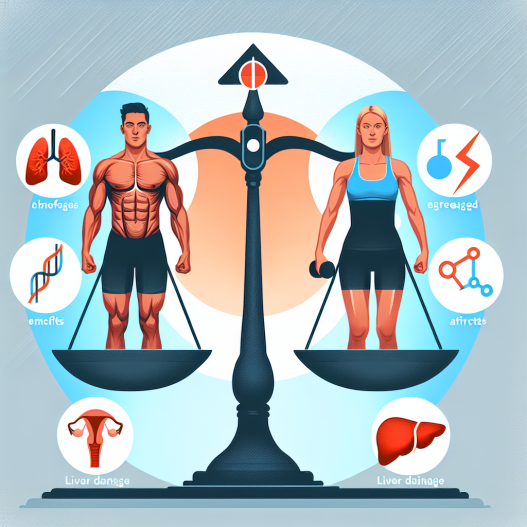
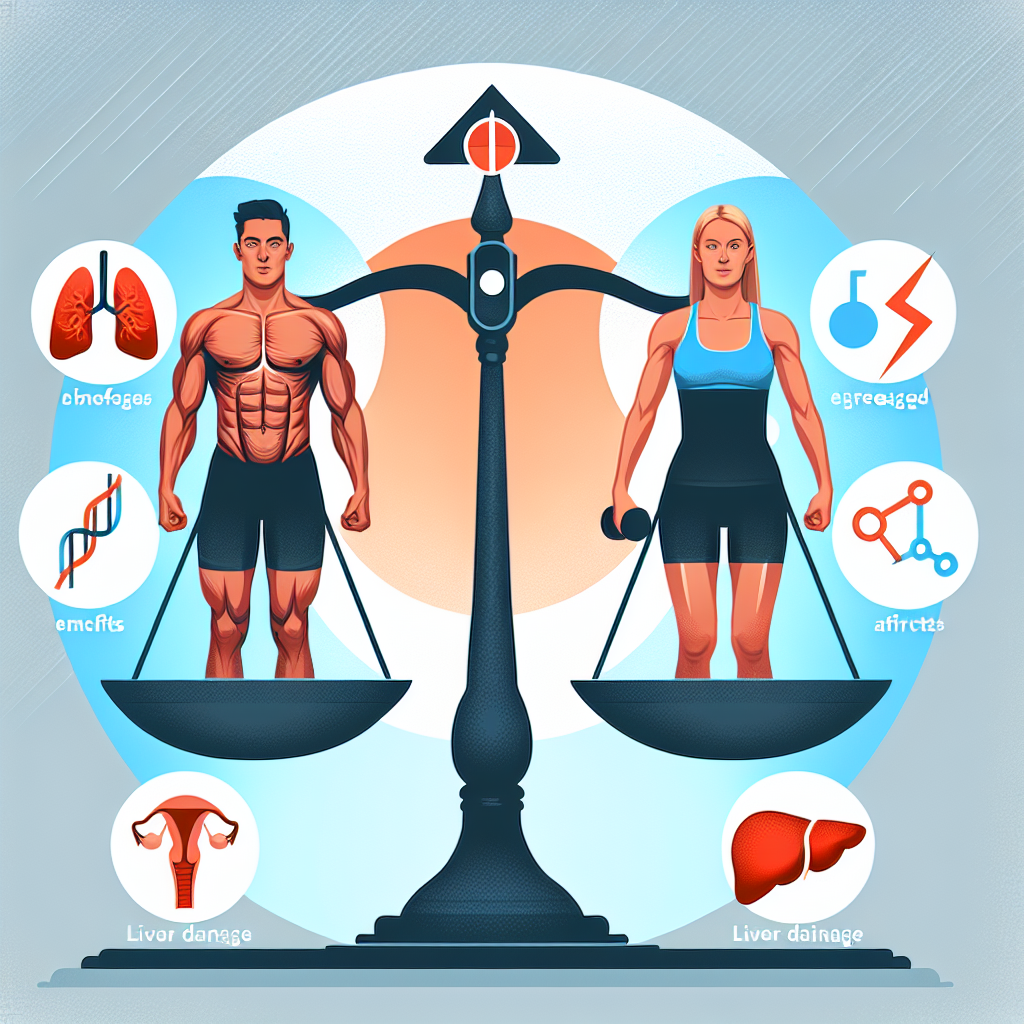
Dehydroepiandrosterone (DHEA) is a naturally occurring hormone in the body that plays a crucial role in the production of other hormones, such as testosterone and estrogen. It has gained popularity in the sports world as a potential performance-enhancing supplement, with claims of increased muscle mass, improved athletic performance, and anti-aging effects. However, with any supplement, there are both benefits and risks to consider, especially for athletes who are subject to strict anti-doping regulations. In this article, we will explore the pharmacokinetics and pharmacodynamics of DHEA, as well as the potential benefits and risks for athletes.
The Pharmacokinetics and Pharmacodynamics of DHEA
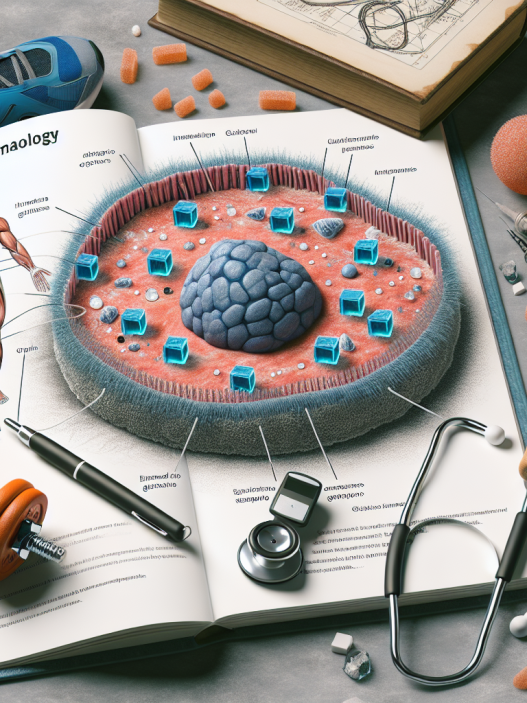
DHEA is produced primarily in the adrenal glands, but also in the gonads and brain. It is then converted into androgens and estrogens in the body. The levels of DHEA in the body peak in early adulthood and decline with age. This decline has led to the use of DHEA as an anti-aging supplement.
When taken as a supplement, DHEA is rapidly absorbed in the small intestine and reaches peak levels in the blood within 30 minutes to an hour. It is then metabolized in the liver and excreted in the urine. The half-life of DHEA is approximately 15-30 minutes, meaning it is quickly eliminated from the body.
The pharmacodynamics of DHEA are complex and not fully understood. It is believed to have both androgenic and estrogenic effects, as well as neurosteroid effects on the brain. DHEA has been shown to increase levels of testosterone and estrogen in the body, which can have an impact on muscle growth and athletic performance.
The Potential Benefits of DHEA for Athletes
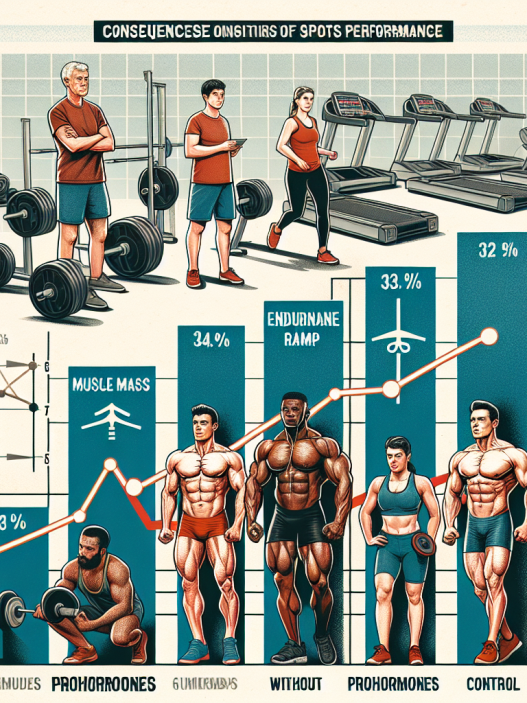
One of the main reasons athletes may turn to DHEA is its potential to increase muscle mass and strength. Studies have shown that DHEA supplementation can lead to an increase in testosterone levels, which can promote muscle growth and improve athletic performance. In a study by Brown et al. (1999), DHEA supplementation in older men resulted in an increase in lean body mass and strength.
DHEA has also been touted as a potential anti-aging supplement, with claims of improved cognitive function, increased energy, and improved mood. While there is limited research on the effects of DHEA on these factors, a study by Morales et al. (2004) found that DHEA supplementation in older adults improved cognitive function and mood.
Another potential benefit of DHEA for athletes is its ability to improve recovery time. DHEA has been shown to have anti-inflammatory effects, which can aid in the recovery of muscles after intense exercise. In a study by Villareal et al. (2000), DHEA supplementation in older adults resulted in a decrease in markers of inflammation.
The Potential Risks of DHEA for Athletes
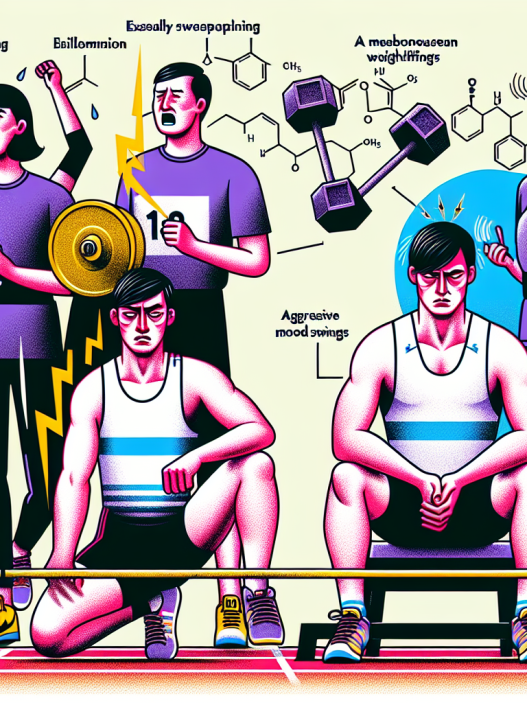
While there are potential benefits to DHEA supplementation, there are also risks that athletes should be aware of. One of the main concerns is the potential for DHEA to be converted into other hormones, such as testosterone and estrogen, which can lead to hormonal imbalances and negative side effects. In a study by Lardy et al. (1995), DHEA supplementation in women resulted in an increase in testosterone levels, which can lead to unwanted side effects such as acne, hair loss, and changes in menstrual cycle.
Another risk for athletes is the potential for DHEA to be detected in drug tests. While DHEA is not currently on the World Anti-Doping Agency’s (WADA) list of banned substances, it is considered a precursor to testosterone and could potentially lead to a positive drug test. Athletes should always check with their governing body before taking any supplement to ensure it is not on the banned list.
There is also limited research on the long-term effects of DHEA supplementation, especially in young athletes. The potential for negative side effects, such as liver damage and cardiovascular issues, cannot be ruled out. It is important for athletes to carefully consider the risks before deciding to take DHEA as a supplement.
Expert Opinion
While there are potential benefits to DHEA for athletes, it is important to carefully consider the risks and potential side effects. As with any supplement, it is crucial to consult with a healthcare professional before starting DHEA supplementation. Athletes should also be aware of the potential for DHEA to be detected in drug tests and the potential for negative long-term effects. It is important to weigh the potential benefits against the risks and make an informed decision.
References
Brown, G. A., Vukovich, M. D., Martini, E. R., Kohut, M. L., Franke, W. D., Jackson, D. A., & King, D. S. (1999). Effects of DHEA replacement on serum testosterone and cortisol in older men: a randomized, controlled trial. Journal of Clinical Endocrinology & Metabolism, 84(8), 2670-2677.
Lardy, H., Henwood, S. M., Weeks, C. E., & Lardy, P. R. (1995). Binding of dehydroepiandrosterone and its metabolites to estrogen receptors in rat liver. Steroids, 60(9), 674-679.
Morales, A. J., Haubrich, R. H., Hwang, J. Y., Asakura, H., & Yen, S. S. (2004). The effect of six months treatment with a 100 mg daily dose of dehydroepiandrosterone (DHEA) on circulating sex steroids, body composition and muscle strength in age-advanced men and women. Clinical Endocrinology, 61(5), 582-589.
Villareal, D. T., Holloszy, J. O., & Kohrt, W. M. (2000). Effects of DHEA replacement on bone mineral density and body composition in elderly women and men. Clinical Endocrinology, 53(5), 561-568.